Recycling and Sustainability in Landscaping Hornsey
 Landscaping Hornsey is increasingly shaped by practical recycling and sustainability choices that reduce waste, protect local green spaces, and support a cleaner borough. From the first collection of soil and rubble to the final reuse of timber, a responsible Hornsey landscaping project can make a measurable difference. Our approach focuses on separating materials early, reducing contamination, and finding the most useful route for every recyclable item. In a busy urban area, that means planning carefully for green waste, aggregates, metals, plastics, and untreated wood so more can be recovered rather than sent to landfill.
We aim to recycle at least 85% of non-hazardous project waste across suitable jobs, with a goal of improving that figure over time. This recycling percentage target covers materials such as branches, turf, soil, paving offcuts, cardboard packaging, and selected hard landscaping waste. For Landscaping Hornsey projects, that target is supported by on-site sorting, clear waste streams, and collaboration with trusted local processors. It is not only about meeting a number; it is about making the whole service more resource-efficient and aligned with low-carbon landscaping practices.
One of the most important parts of sustainable Hornsey landscaping is how waste is handled after collection. 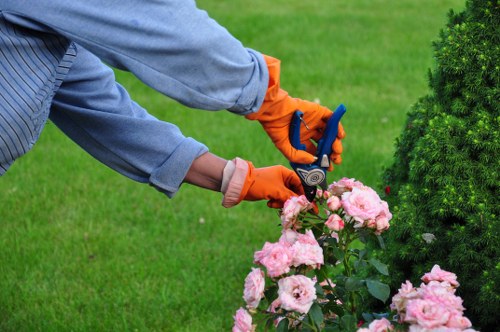 Local transfer stations play a vital role by receiving separated loads and directing them to the correct recycling or recovery facility. In and around North London, these sites help manage mixed green waste, inert materials, and general construction residue. By using transfer stations with strong sorting systems, we can improve recycling rates and reduce unnecessary journeys, which supports both efficient logistics and lower emissions.
In practice, this means paying attention to the kinds of waste generated by each garden or outdoor installation. Soil from excavation can often be screened and reused, while stone and broken concrete may be processed into secondary aggregate. Untreated timber can be repurposed or chipped, and plant cuttings can become compost or biomass feedstock. For Landscaping Hornsey, even small details matter: keeping contaminated material out of recyclable streams, separating plastic plant pots from soil, and avoiding mixed loads where possible all help improve the end result.
Our recycling approach also reflects the wider borough’s emphasis on waste separation. Many local households and businesses are already used to sorting dry mixed recycling, food waste, garden waste, and residual rubbish into different collections. That culture of separation carries over naturally into Hornsey landscaping work, where we mirror the same principle on site. By matching local expectations for cleaner, separated streams, we make it easier for materials to be recovered rather than rejected at the transfer station.
 Sustainable landscaping is also about what happens before the waste even leaves the site. Careful design choices can reduce offcuts and surplus materials, while better measurement can prevent over-ordering. In Landscaping Hornsey, we try to build with reuse in mind, selecting durable materials that last longer and can be maintained rather than replaced. This extends the lifecycle of patios, sleepers, edging, and fencing, which cuts down the volume of future waste and supports a lower-carbon approach to garden improvement.
Another important part of our environmental commitment is partnership with charities and community organisations. Usable materials from landscaping projects, such as planters, timber offcuts, healthy topsoil, tools, decorative stone, and surplus outdoor items, may be passed on where appropriate to local charities or reuse groups. These partnerships help extend the life of materials that might otherwise be discarded. They also support community-led growing projects, shared gardens, and charitable reuse initiatives that benefit from affordable resources.
When materials cannot be reused directly, we prioritise recycling routes with the lowest practical environmental impact. Green waste may be composted or processed into mulch, while metals are sent for high-value recycling and cardboard is baled for reprocessing. In Hornsey landscaping, even packaging is handled carefully; sacks, film, and delivery wrap are separated where possible so that recyclable content is not lost. This disciplined waste management helps preserve raw materials and reduces pressure on disposal facilities.
We also focus on transport efficiency because waste handling is only part of the sustainability picture.  Low-carbon vans are used for site visits, material collection, and delivery runs wherever feasible, helping reduce emissions linked to local travel. These vehicles are chosen for efficiency, cleaner operation, and suitability for urban streets. For Landscaping Hornsey, short-distance logistics are common, so switching to lower-emission vans can make a noticeable difference across a year of work. Less fuel use means lower carbon output and quieter movement through residential streets.
In a neighbourhood like Hornsey, sustainability also means working neatly and respectfully. Gardens are often close to homes, schools, and shared spaces, so waste must be handled without creating mess or nuisance. That is why we use covered transport where needed, secure storage for sorted materials, and tidy loading practices that prevent litter. These habits reduce the chance of recyclable material becoming contaminated and keep the process efficient from start to finish.
For larger projects, the environmental plan may include staged waste removal to avoid unnecessary haulage, along with careful selection of recycled or reclaimed inputs. Reclaimed paving, recycled aggregates, and sustainably sourced timber can all contribute to a more circular approach. In Hornsey landscaping, this not only lowers the demand for virgin materials but also aligns with broader efforts to reduce embodied carbon in outdoor construction.
 Overall, Landscaping Hornsey is about creating attractive outdoor spaces while treating waste as a resource. By working toward an 85% recycling target, using local transfer stations, supporting charities through reuse partnerships, and operating low-carbon vans, the service becomes more responsible at every stage. Add to that the area’s growing habit of waste separation and the result is a practical sustainability model that fits the character of the borough. With careful planning and consistent sorting, Hornsey landscaping can help keep materials in use longer and keep the local environment cleaner for everyone.